Thursday Media Review: Pokemon Legends Arceus

Written by TheChoujinVirus

Note: The following review contains spoilers to the game, so do not read if you do not wish to be spoiled

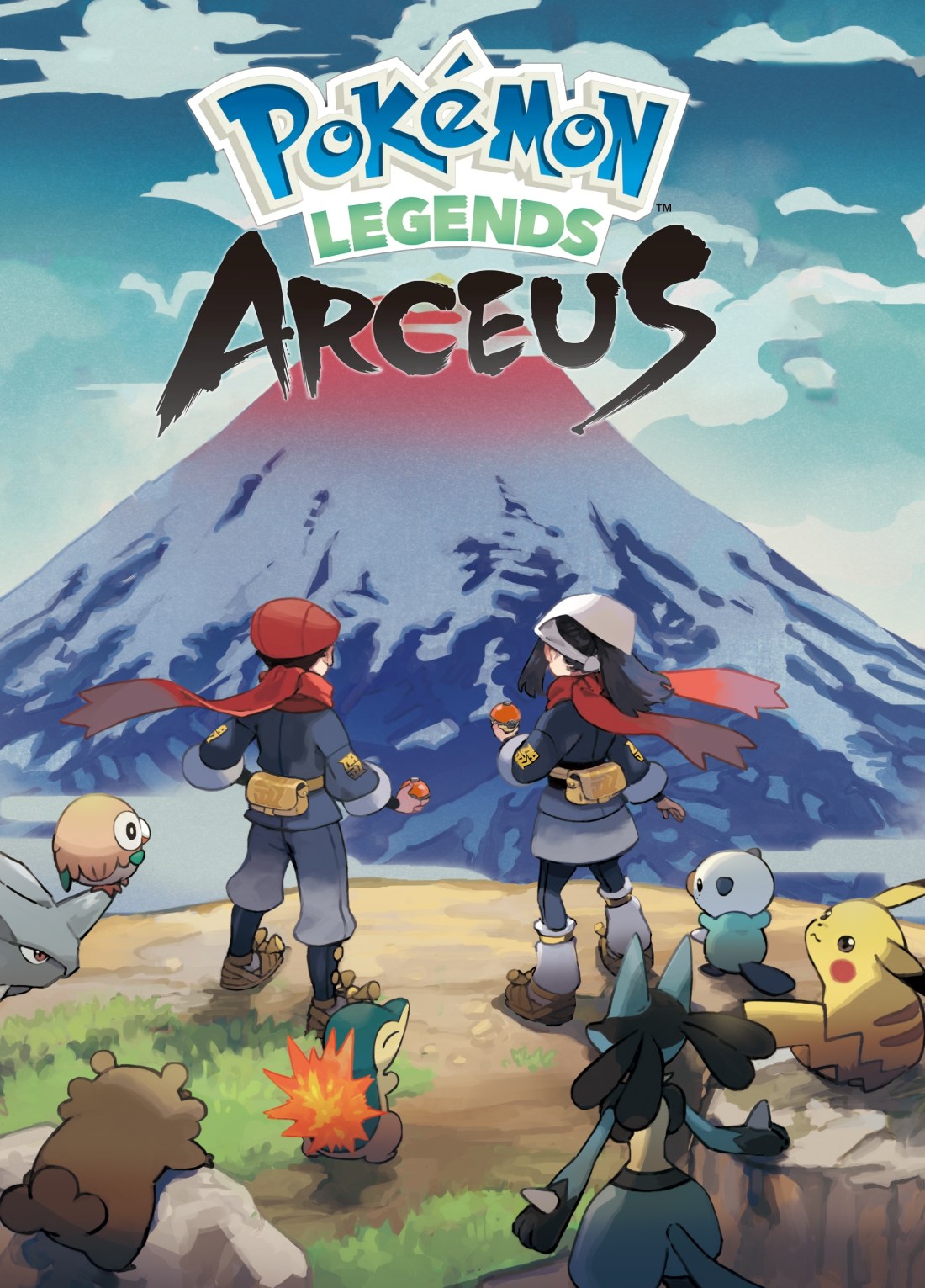
Pokemon’s one of the most significant IPs out there, and ya boy’s here have reviewed Pokemon Sword and Shield, and did play Brilliant Diamond/Stunning Pearl (will write a review of that game soon). However, one of the most anticipated titles released for this year since its announcement. Released on January 28th of this year on the Nintendo Switch, Pokemon Legends Arceus is a game that many said has made some very anticipated changes for the franchise for good and maybe helped out the somewhat lackluster Sword and Shield series. Does it stand up to the game? Well, here’s my review of Pokemon Legends: Arceus.

Story Summary and Gameplay

PL: Arceus starts with your main character being teleported into the past by the pokemon Arceus, the god of the Pokemon world. He only tasks you with one goal: “Seek out all the pokemon” and teleports you to Hisui, which is Ancient Sinnoh. You meet Professor Lavanton, and after a brief tutorial of the game, you are whisked with him to Jubilief Village and the headquarters of the Galaxy Team. There, you are introduced to your supervisors, Cylene and Commander Kamado, and your rival and fellow corp member Rei/Akari (determined by your character’s gender selected.) Laventon tasks you with compiling the Pokedex of the Hisui Region, all while solving the mysteries of Hisui. Meanwhile, you’re aiding the native Diamond and Pearl clans with the sudden frenzy of their Noble Pokemon. Eventually, more of the world is revealed, and you learn of the mystery of how you were brought here, to begin with, and a final battle with the one who brought you to this ancient land in the first place.

Gameplay-wise, PL: A carries some of the typical pokemon gameplay mechanics of fighting, but you now have some very different things that deviate from the normalcy of the older pokemon games. Pokemon are no longer found in the tall grass and can be found wandering the world, for starters. They can either have three kinds of behaviors: They can be indifferent/friendly toward you, flee from you upon seeing you, or outright attack you if they spot you. Another new thing is that you don’t need to capture Pokemon through battling but indirectly. If you’re sneaky enough, you could launch a Pokeball at an unsuspecting pokemon and catch it without fighting it. Your chance of catching it increases if you use items to stun or distract them.
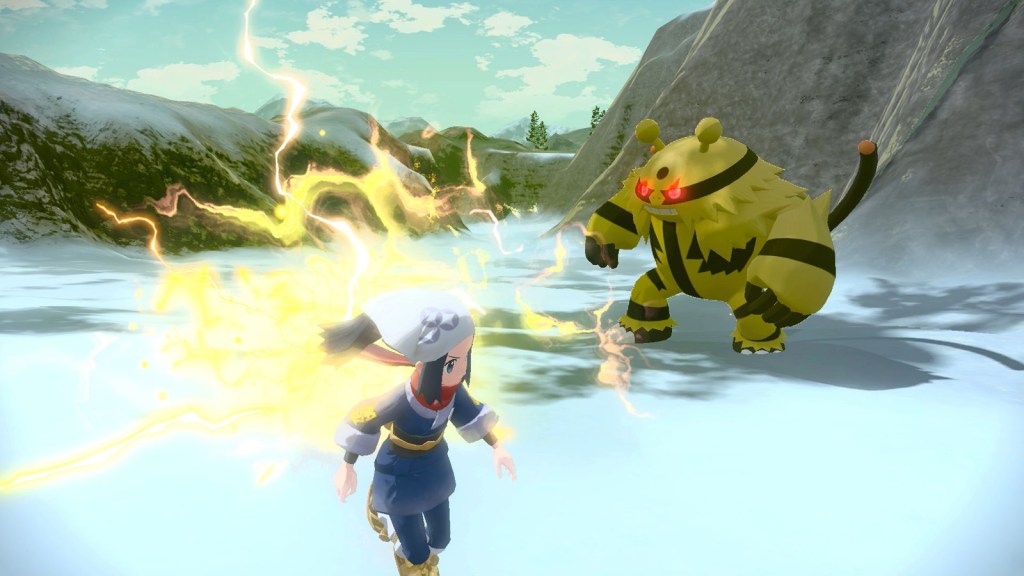
With aggressive Pokemon, you’ll either need to be more creative or go the old-fashioned way. The aggressive Pokemon can hurt you unless you use your Pokemon or dodge the attack. The screen will darken then go red before you are knocked out and rushed back to the next camp (and lose your items.)
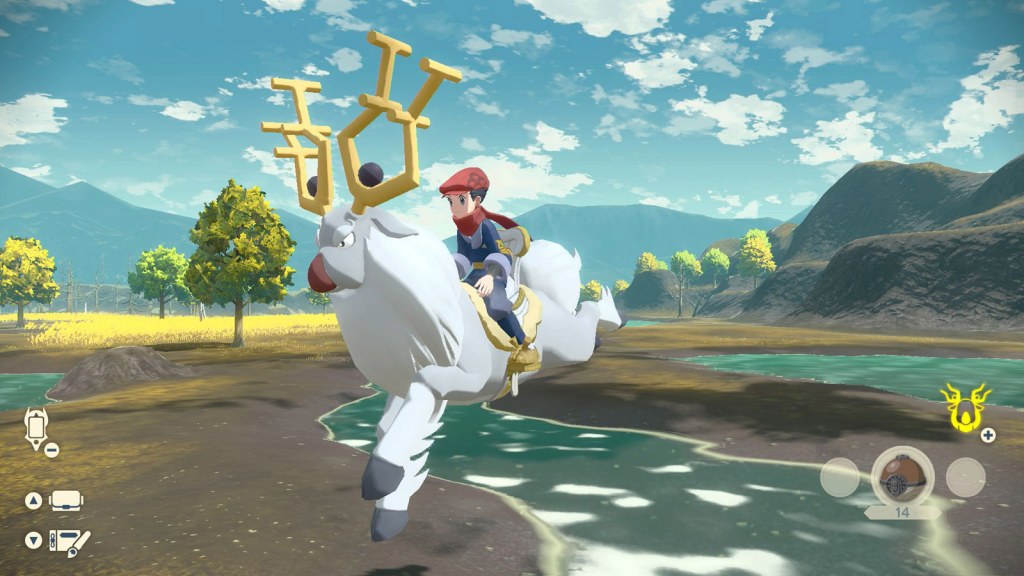
As you progress through the main story, you’ll meet the Noble Pokemon; Pokemon worshipped by the Diamond and Pearl clans as avatars of Almighty Sinnoh. Some Nobles like Wyrdeer, Ursaluna, Basculegion, Sneasler, and Braviary will help you on the journey by lending their strength to traverse the lands faster, fly over it, cross waters and even scale mountains.

Others such as Kleaver and Arcanine need to be quelled due to the effects of that mysterious frenzy. Unlike most old battles where you must fight the Pokemon, Noble Battles behave like some action RPGs where you must reduce their bar to zero, throwing balms at them. Sometimes, if the opportunity arises, you can have your pokemon duke it out with the noble and, by KOing them, doubles the balm’s effectiveness for a short time. Also, should you fall to a Noble, you are given a chance to continue the fight where you left off without resetting the fight.

As your Pokemon gets stronger, they will be able to master some of their moves by leveling or using an item called a Seed of Mastery. Mastery allows you to use actions in either Agile or Strong forms. These forms have their pros and cons.
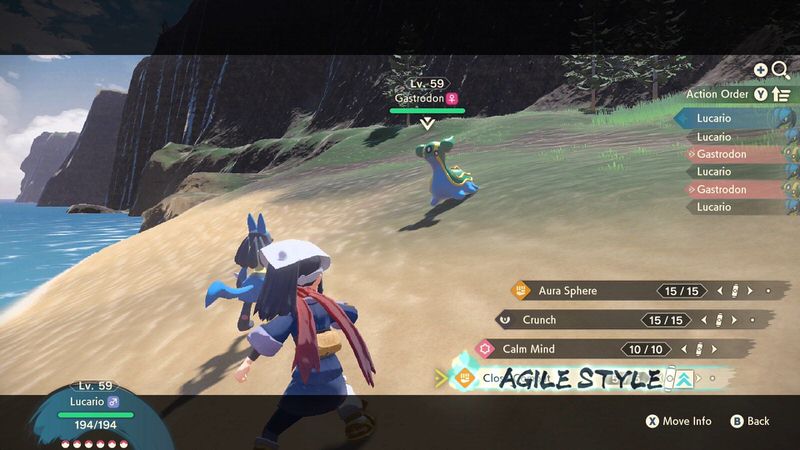
For example, an Agile move can have a chance of making your pokemon move faster or attack again on the same turn but with weaker damage.

Meanwhile, a Stronger move will be more damaging and accurate but may make your PokemonPokemon slower and vulnerable to an extra attack.

Lastly, when you capture a pokemon in PL: A, you need to fill out the Pokedex more than catch the Pokemon, and that’s it. When you capture them, you need to gather more data on them until it’s completed, like how many of that Pokemon you caught or evolved, where or when you caught them, or if they were doing an action like flying or if they were unaware of you when you caught them.

Legendary Greatness: What made PL: A good?

Pokemon Legends Arceus has some pretty fun aspects of the game. One of them is the open map exploration of the five areas: Obsidian fieldlands, Crimson Mirelands, Cobalt Coastlines, Alabastor Icelands, and Coronet Highlands. Each region has its biomes, environments, and Pokemon found in those environments. It also gives the backstory of what would be ancient Sinnoh.
Another liked is the capture mechanic system. Instead of battling Pokemon, you can catch them unaware and skip the whole thing. Great for catching some strong pokemon without risking harm to your team.
Another liked is the capture mechanic system. Instead of battling Pokemon, you can catch them unaware and skip the whole thing. Great for catching some strong pokemon without risking harm to your team.
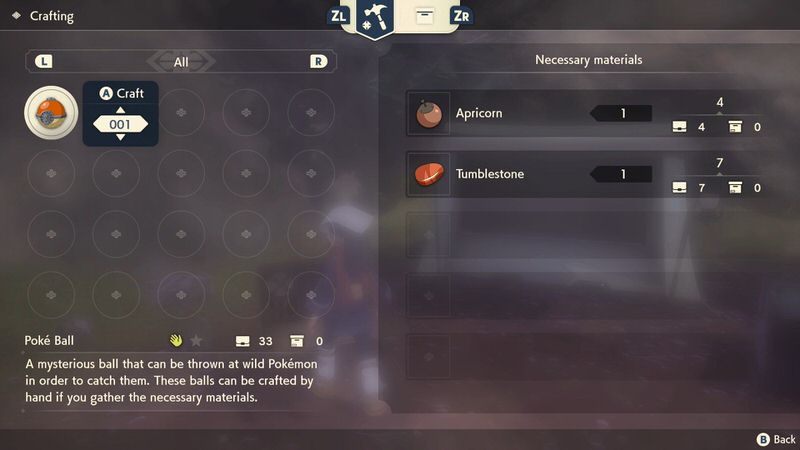
Another is the crafting in the game. I didn’t mention this, but in PL: A, you can craft supplies for your inventory. Gathering resources like Apricorns and Oran Berries in the wild, you can prepare them into Poke Balls and potions for your journeys. Crafting is great for saving money on other items or new clothes for your character.

Lastly, you can get ALL The Pokemon. No more split versions in PL: A; you can catch them all without relying on trading or gimmicks that make it very difficult, like in the past. Want a Machoke to a Machamp? Just get a Linking Chord and evolve it! Want Scyther to a Scizor? Just use Metal Coat on it.

Forgotten in the Past: What the game lacks

Though PL: A is excellent, some problems annoyed me or need improvement in these categories.
One such issue is that though the game is excellent, there isn’t much outside of completing the dex or the story. Sure after you finished the Hisui Dex, saved the Hisui region, and such, there isn’t much of anything like trainer battles. You do get some rematch fights in Jubileaf Village and the occasional run-ins with the Miss Fortune trio of bandits and maybe rematches with the Noble Pokemon. Still, beyond it, nothing much once most of the series is complete.
Another problem that can be a bit of an annoyance is some of the new pokemon evolutions. Some Pokemon, like Kleavor, require one item to evolve them, and most trade-equipment items needed for trade evolution were made so simple that they made the game enjoyable. However, some evolutions like Wyrdeer and Overqil require some more unique evolutions, such as using their signature moves being used in combat several times until they’re ready to evolve. Also, my favorite Pokemon, Ursaluna, requires the use of a Peat Block but sadly must be done on a full moon night in-game. That can be frustrating indeed.
Lastly, the issue comes to recovering your items lost if you blackout. If you recall, I said you lose your items if you blackout, but it can be reacquired through a Lost and Found side-mission where you explore the map and retrieve lost sachels left by NPCs or by other players if linked to the internet. Sadly this is the ONLY way to get your lost items back, and you can’t seek them out on your outside if you lose them. Thus you have to rely on the online aspect to retrieve your stuff.

Secrets of the past

Before I go to my conclusion, here are some secrets for those who want to get Pokemon Legends Arceus (info from Serebii.net)
If you have to save Pokemon Let’s Go Pikachu/Eevee data, you’ll access free Pikachu and Eevee Masks.
Suppose you have Save Data of Pokemon Brilliant Diamond/Stunning Pearl. In that case, you get a double feature: You’ll get access to the Team Galactic outfit (the modern version) and access to a special Request mission that lets you capture Darkrai.
Pokemon Sword and Shield save data do the same but give you access to the pokemon Shaymin and give you a Shaymin.
Though Shaymin and Darkrai do not go toward the Hisui Pokedex requirements, they’re pretty good to have them.

Should you Get it?

As a Pokemon fan, I’d endorse getting Pokemon Legends Arceus if you’re a fan of the franchise. The game’s a big breath of fresh air for a franchise that needs one. Open exploration with creative methods of capturing and battling while taking place in an old region of the past. New forms and evolutions of old Pokemon?

All it’s missing is you setting up a Pokemon league. Though there are whispers and rumors of some kind of DLC, there’s no confirmation of its validity. But hey, a guy can dream can’t they?

References

Thursday Media Review: Yugioh master Duel

written by TheChoujinVirus

Disclaimer: This review may contain spoilers to this game.

Yu-Gi-Oh is a card game that everyone knows about, one of the significant TCGs people have known about for a long time. Yu-gi-oh has many games, with the recent being 2016’s Yu-gi-oh Duel Links. Though released this month of January 19th is the latest incarnation of the game. Yu-Gi-Oh Master Duel. A game found on Steam, Switch, and on your smartphone. If you’re interested, let’s see how this game goes well.

Brief Summary of gameplay

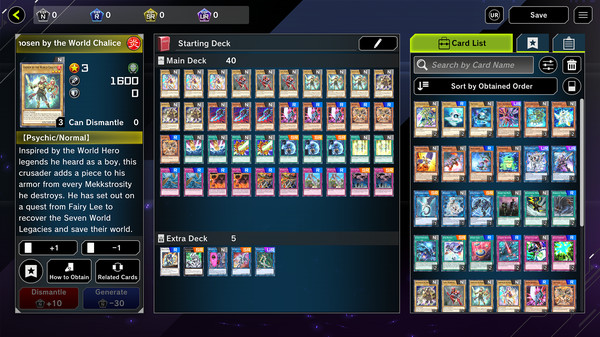
Yu-Gi-Oh Master Duel follows the more current rules of Yugioh (Master Rules 2020/2021). One could explain the whole aspect of the game, but here’s a link from the official Yu-Gi-Oh website that gives a better explanation of how to play the game. However, to summarize the game, you play monsters, spells, and traps to reduce your opponent’s life points (LP) to 0 before they can. You have the duel mode, which pits you against other people online, though you have a unique model known as “Solo” mode. The solo mode is the game’s story mode in a sense. Not much of a story except explaining the lore of the archetype you’ll be playing. For example, one of the Solo stories has a cute story explaining the Cyber Bug archetype and its role in that universe. They also teach you how the archetype is played and even some combos that give you a way of what other archetypes can go well or how to play the deck further. The solo content rewards things like cards of the archetype, a free deck of the archetype (think of it as akin to the game’s version of a structure deck), and some good things like cosmetics and gems (the premium currency of the game). Gems are used chiefly for buying booster packs to improve your deck or some cosmetic items such as mats for your cards, sleeves for them, and even little pets that sit on your side on the field (they do not affect the game, but they sit there).

King of Games: What the Game shines in.

The game has so much potential that it makes it impressive. One such example is that compared to Duel Links, you do have a ton of cards to build any archetype you want, from Blue-Eyes to Cyber Dragon and then some. You’re not limited to specific cards. Another benefit is they introduce “Secret Packs” now. What are these Packs? Well, whenever you craft a card in the game or open a master pack, you may get a chance of finding some cards of a specific archetype. These secret packs are more or fewer archetype packs that let you get that core card set without playing gamble with the Master Packs themselves. It also makes investments oh so worth it if you’re building decks. Lastly, the soundtrack is excellent as you get some good music while you duel, and the tone changes whenever things like close to victory or when a boss monster is summoned to the field. It’s got plenty of work.

Dueling Dog: what the game flounders.

Though the game is good, it has some significant flaws. One such is that the game kind of tosses you into the series right away. So new players entering the first time or old players who haven’t kept up with the franchise may be overwhelmed with all the new mechanics. Luckily, the tutorial does teach you the basics, but most of the time, there are some things the tutorials won’t explain that require experience. Another issue is the crafting and premium currency. When building a deck, you’ll be using some UR (ultra rares) staples that can be expensive as you may have to cannibalize some other UR cards to get something viable. I wish they could convert some of the Normal, Rare, and Super rare tab to acquire UR materials without buying boosters. Lastly is the Secret Packs duration. When you unlock them, you only gain access to them for around a day, then you have to get the cards again, which can be inconvenient if you need to get some cards from other aspects. Another and officially final thing is there are no other duel formats. While Duel Links gave us Speed Duels (a format for faster play), master duel only has one format, which is current, which means if you want to play a game with no Link Monsters or Pendulums. So no old days of just playing old-school rules or other formats.

Should you D-D-duel and get this game?

In short, should you get this game? Yeah, you should if you’re a fan of Yugioh. Also, ever since Dueling Network got shut down and Duelist of the Legacy became obsolete with the current gameplay, Yugioh Master Duel’s something that requires you to understand and play. Also, as a former YuGiOh player, it’s something great to do. By the way, I do play the game too and if curious, I roll a Cyber Dragon deck. If you’re interested look up “TCV” and you’ll see me. If you want to add me as a friend, DM me if you want

References

(Late) Thursday Media Review: Jingle All The Way

Written By TheChoujinVirus

Note: The following review may contain spoilers to the movie

Christmas is around the corner, and thus the mad shopping for the hottest item for your loved ones is upon us. Folks were a copy of Pokemon Yellow, the newest Tickle Me Elmo doll or the latest gaming console like the Playstation 5 or any hot item someone wanted. The nineties were no exception, especially with comedies. None were iconic than this film made by Brian Levant (Director of films like Beethoven and the live-action Flintstones movie) and starred Arnold Schwarzenegger and Sinbad. This movie was none other than 1996’s Jingle All The Way. A film that parodied the crazy Christmas shopping and hot items people went out of their ways to claim it. How does this movie stack up? Well, Let’s explore the film.

Abridged plot summary

The story begins with Howard Langston (played by Arnold Swarzenegger), a workaholic mattress salesman who ends up spending more time with his work than spending time with his wife Liz (Rita Wilson) and Jamie Langston (Jake Lloyd). After missing his son’s karate class graduation, Howard finds that he doesn’t respect him. He learns that Jamie has his eyes set on a superhero called Turbo-Man and thus wants one for Christmas. However, his wife told him to buy it weeks ago, to which Howard had forgotten to buy one. This event leads him into crazy antics as he tries to find a Turbo-Man doll around town. He also has to deal with another father and postal worker, Myron Larabee (Simbad). Howard’s attempt at getting this elusive doll puts him into precarious situations such as brawls in toy stores, into an underground Santa counterfeit ring, a bomb scare, and even right up to a fight at a Christmas parade with him as Turbo-Man himself. It’s a fun movie about a father going out of his way to get a doll for his son.

Turbo-Time: What makes the movie great?

The movie has some great things; one such is the large ensemble of influential names. Besides Arnold and Simbad, you also have some well-known actors like a young, pre-Episode 1 Jake Lloyd playing Jamie. You also have Phil Hartman (of Simpsons and SNL fame), Rita Wilson, and even some side characters like the police officer Arnold runs into is played by none other than The Wild Wild West’s Robert Conrad. Making it an exciting cast of prominent names. You have some comedic moments that will make you laugh, such as when Myron tries to scare Harold and a radio DJ with a fake package bomb, and in irony, it turns out to be a real bomb when the police officer tries to disarm it.

Nobody Likes you Booster: What the movie lacks.

Though the movie has some comedy, some parts do get me puzzled, like with Hartman’s character, Ted Maltin has a side story where he’s trying to make a move. Though sadly, in the end, the only outcome is the second when Ted finds out about Howard’s statement, he leaves (though covered in barf.) Not much of anything or Howard finding out about it.
Another thing is somewhat of the characters themselves. They’re not bad, but some of them make it hard to see. For example, we learn about Myron and why he wanted to get the doll for his kid because his father failed to get him something when he was a child. Some might find it hard to be sympathetic toward him when he does something like a fake bomb scare or even hijacking a parade. Howard isn’t innocent either, as he does do some shady things to get the doll as well. Also, it’s somewhat hard to see Arnold trying to play an American man when some of his accents show up.

Should you watch it?

The good news is that the movie is available on Disney+, alongside its not-so-successful sequel. However, I would strongly suggest watching the first one. The film, though campy, does have some stuff that can make this movie your own personal traditional Christmas movie.

Sources

Thursday Media Review: Animal Crossing Happy Home Paradise (and Update 2.0)

Written by TheChoujinVirus

Note: The following may contain spoilers to the game (including new features)

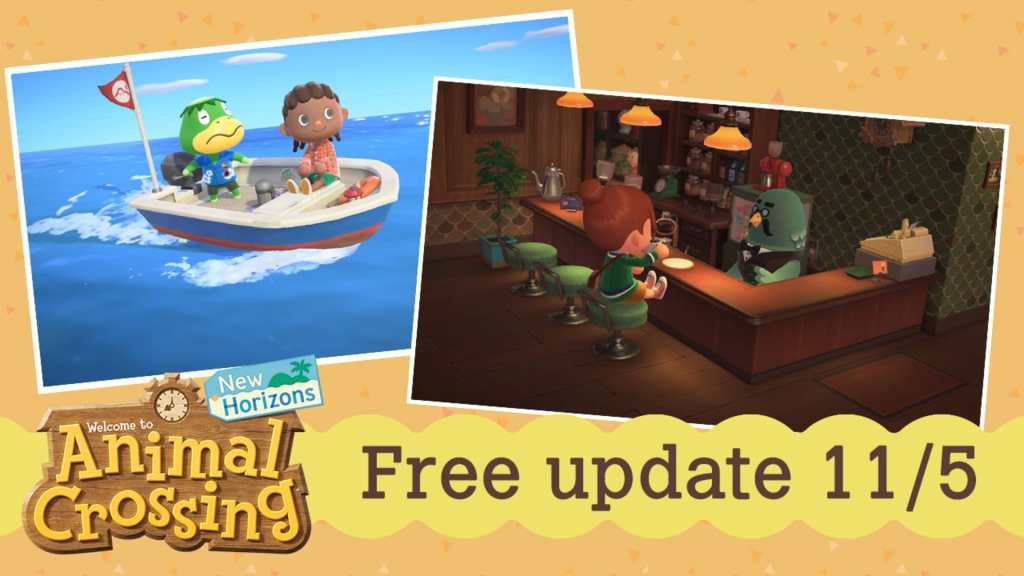
Happy Thursday everyone, it’s ya boy Choujin here. Not too long ago, I overheard some excellent news from the latest Nintendo Direct. Animal Crossing was getting some new long-awaited content (I took a break last year due to rediscovering WoW and my NCCT classes). The newest game is not a game, but DLC for New Horizon, but it behaves as its own game. Released on November 5th of this year, Animal Crossing: Happy Home Paradise and Patch 2.0 of New Horizon brings some new life into the game in less than a year.

Gameplay+Story

To see my review of the original Animal Crossing New Horizon, please click here to get my review. We’ll be focusing on Happy Home Paradise and 2.0

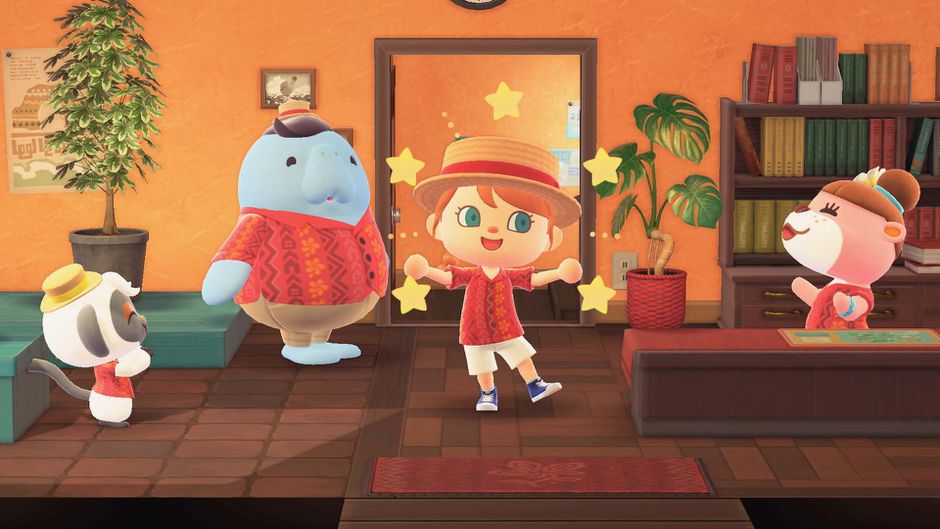
First off, Animal Crossing Happy Home Paradise’s story more or less picks up after you’ve got three stars and got K.K. slider to perform for your island. You are greeted by Tom Nook, who calls you to meet him at the airport. There you are greeted and referred to a friend of his. Lottie, a pink otter who made her first debut in a previous game Animal Crossing: Happy Home Designer. She offers you a job for Paradise Planning, a vacation home resort and remodeling business in a large island archipelago chain. You are tasked with designing the animal villagers that visit the island as their dream vacation homes. Alongside Lottie, you have two new characters and co-workers. Wardel, the manatee who runs the Paradise Planning shop where you get to buy some exclusive furniture for your house back on your island; And Nico, the monkey who guides you and gives you tips on how to design your villager’s home. Over time, as you gather more clients for Paradise Planning, you later help out with building facilities for the island such as Schools, Restaurants, Café, a Hospital, and even an Apparel store.

In Happy Home Paradise, compared to New Horizon, you are tasked with designing all villager’s vacation homes. Some villagers will have a specific theme that fits, such as Jacque and his “Very Exclusive Club” themed home or Ketchup’s Tomato-themed room. You put three items that the client requests (and add furniture, wallpaper, and other stuff) and simply design the best house you can do. You’re not just limited to the interior, but also the exterior of their homes too. You can add furniture to the exterior and things like trees, bushes, flowers, and fencing.

Upon completing a job, you’re paid in Poki (the currency of the island). You can use that to buy furniture exclusively from Happy Home Paradise and bring it over to your island (including new ceiling furniture like lights and murals). The more houses you complete, the more the main resort island improves. Through that, you can unlock facilities and new features such as Partitions to give parts of a room a divider between them, background noises for providing an atmosphere, adding a second story to the vacation home, and even allowing roommates to share a house for themselves.

But Happy Home Design isn’t something new as well. Patch 2.0 brings you a whole new feature to the gameplay since Patch 1.3’s return of Diving. 2.0 Brings a ton of features into the game that breathes new life into the game
The first feature introduced is a new form of DIY: Cooking. You can now cook food that you can use as furniture for your house or eat to give you strength (which yields more than eating a single piece of fruit). It also adds 4 new crops (alongside Pumpkins); Tomatoes, Potatoes, Wheat, Carrots, and Sugarcane. They can be used to create various things like bread, smoothies, fish dishes, and various other edibles that your character can whip up.
Another new feature introduced is the return of the Kappa, Kapp’n, and the mysterious island tours. Unlike the airport tours set in a few islands, Kappn’s tours are random and can bring you to various unique times, days, and even seasons. Meaning your island is in the summer, but you can find a winter island out there. This makes it helpful for finding seasonal fish or bugs (I ran into a summer island and caught a ton of stuff).
The game also adds 12 new K.K. songs for you to enjoy, such as K.K. Break (a song many suspected has been influenced by a specific meme), K.K. Lovers and K.K. Polka.
The Roost makes a return, too, bringing back Brewster and his coffee bar back into your village’s museum. Though this time, it now adds a new feature: An Amiibo phone that lets you invite villagers and special characters to the Roost for a cup of coffee (sometimes they may bring others with them, such as Blathers and Celeste). You can also see returning Animal Crossing characters that haven’t made an appearance in years should you use their amiibos, such as Resestti, Chip, Gracie, and Dr. Shrunk. Also returning is the aerobics stretching segment exclusive to physical exercise days from older Animal Crossing titles. Now a minigame you and the villagers can participate in alongside some old companions. That’s right, we got the Gyroids back. These little noisemakers make a return and with a new feature. Sometimes, on a mysterious tour, you may find fragments of these little guys. If you bury the fragments back at your village and then water them, you’ll be able to grow a gyroid. Not only can you do that but customize them to match some colors and thus make them unique to your own house.
Harv’s island has gotten an update too in this expansion. Originally a place to take photos, it now hosts a co-op of various businesses for you to look around. Some of the random roaming villagers like Redd, Kicks, Saharah, and Leif can be found there from time to time selling their goods (or vacant if they’re visiting your town). However, we have four returning villagers. Tortimer, the former mayor and owner of the island, now serves to help you access your home storage inventory. Reece and Cyrus also return to provide their customization services to you. Not only can they do work for stuff that you can do, but they also can do exclusive work that regular DIY customization lacks, such as customizing fences for your village or Nook Mile furniture for your town. Katrina, the fortune teller, returns to do what she does best: reading your fortunes. Lastly, we have Hariett, the hairdressing poodle who can teach you some new hairstyles that you could benefit from.
Lastly, Animal Crossing adds several new and returning villagers from the game. Some of the newest villagers include the likes of Sasha, Cephalobot, and Shino. While the returning villagers are characters not seen in over 20 years since the first Animal Crossing game. Those characters like Chabwick, Ace, Azalea, and Faith give 2.0’s new villager roster a whopping 16 total. Something not seen since 1.9’s return of the Sanrio Amiibo villagers.
In short, there’s a ton of new content that some new and established players will be seeing while playing the game.

Happy Home Greatness: what they provide

The expansion and update provide a ton of unique features that change the game. One such that is enjoyable is the connectivity between Happy Home Paradise and New Horizons. The last Happy Home game didn’t have much connection save for just being a spin-off game. However, Paradise adds interconnectivity for those who bought the DLC. For starters, any furniture you buy from the island can be used in your village as well, and some of the DIY recipes you’ve created can also be used in decorating your own house. Also, you can bring your villagers to the resort by gifting them souvenir chocolates. This gives some players with no amiibos a place to give their favorite villagers to visit from time to time.
Another feature that makes the expansion good is the convenience of Kappn’s Tours and Harv’s island. Initially, one would have to travel or visit another person’s island to find some fish or bugs at a specific season. Now with the return of Kapp’n and his tours, you can have a chance to fill the fish and thus not worry about the fear of missing out. Also, Harv’s island and the co-op allow you to visit some wandering merchants for a chance at some stuff you missed or mostly in hopes of finding what Redd has for sale to fill the museum.
The last feature one would find interesting is the cooking. This was a feature many animal crossing fans wanted in since forever and hinted in some games. It also allows folks to make use of some fish like Sea Bass, Red Snappers, and pumpkins for other than bells or one-time furniture for a specific Holiday.

Beestings: what the game lacks

Though the game is fun, it has some problems that make it moot and annoying, at worst, when it comes to it.
One such example, of course, is not all features of Happy Home Paradise can be used in New Horizons. What I mean is that though you can create isles and partitions for your home and others, features like background noises, lighting, expanding the room, and adding a second story are exclusive to Happy Home Paradise. This can feel real disappointing for those who unlocked the feature of being able to redecorate your villager’s homes back on your island (and there are talks about a game-breaking bug that can ruin your game if using this feature.)
Another issue is that though we get to see some older villagers return through the patch or amiibos, not all the villagers have returned. I’m talking about the crossover villagers. These villagers were tied to other games when using amiibos from those games such as The Legend of Zelda, Splatoon, and Monster Hunter. Though we did get the return of the Sanrio villagers, it’s disappointing that some like Felyne, Wolf Link, and Inkwell haven’t made a return back to the game. These characters were pretty popular for a ton of reasons and made using non-Animal Crossing amiibos helpful.
Lastly, though the game has some great perks, the major problem is it’s locked behind time. For example, when you’re building shops for the co-op, you can only donate a max of 100k per day, meaning those billionaires who hoarded bells will be prevented from day 1 from getting the plaza done. Kappn’s tours are more or less locked one tour per day. It is understandable as one could go around and farm bells or fill their museum of bugs and fish; however, that’s an annoying feature that makes it feel padded.

Conclusion: should one get the game?

Happy Home Paradise and 2.0 adds some new life into a game and gives folks a taste of what live patches Animal Crossing New Horizon may have in store for the future. For those who took a break from the game, it’s a good incentive to return while those playing for a year will find new features to explore.

Addendum: As of 11/11/2021, confirmed by Youtuber Crossing Channel, a hotfix was released for the designer bug that would brick your game if you designed people’s homes back on your island.

References

Thursday Media Review: Final Fantasy 1&2: Dawn of Souls

Written by TheChoujinVirus

Note: The following review may contain spoilers to the game

Happy Thursday everyone, it’s ya boy Choujin here.

Not too long ago, I overheard about the Pixel Remaster release of Final Fantasy 1 through 6; it got me feeling nostalgic for my first introduction to the final fantasy remakes. Of course, the first game to be re-released was Final Fantasy and Final Fantasy II (and we mean the actual Final Fantasy II, not Final Fantasy IV that was released in the US years ago.) First, we had Final Fantasy Origins for the Playstation in 2002. Though that game is not our focus. Released on July 29th of 2004 and later on November 29th in North America and December 9th in Europe in the same year. This game is Final Fantasy 1&2: Dawn of Souls. This version improved the original Origins and would later be the source material for future portable remakes of the game series. Does this game stand over its predecessor and the Pixel Remastered successors? Well, one way is to find out…

Brief Story Summary

Final Fantasy 1 and 2 cover two different games, but none are tied to one another. In the first Final Fantasy, the world is plagued by the four fiends that throw the elements of Earth, Fire, Wind, and Water into total Chaos. Your group is four warriors of light, each holding a shard of crystal and tasked with defeating the fiends, reigniting the crystals, and defeating the source of the problem in the world.
Final Fantasy II has you play a band of four heroes: Firion, Maria, Guy, and Leon. They are tasked with joining a rebel army to defeat a villain known as Emperor Mateus Palmecia by braving the world riddled with monsters, Empire soldiers, and various other missions to free the world of this deranged king. Along the way, you gain assistance from others like Joseph, who helps you secure Mithril for the Rebellion, Leila, the pirate who gives you a ship to sail the seas, and Minwu, who helps you unlock the most potent spell in the world.

Gameplay summary

Both 1 and 2 behave vastly differently from each other, but the core concepts are the same. You control a band of four characters as you head from one part of the world to another dealing with monsters that arrive. In Final Fantasy 1, at the start of the game, you’re given a choice of six classes to fill your party of four. You have the heavily armored Warrior, the nimble thief, the iron-fisted Monk, the destructive Black Mage, the helpful white mage, and the versatile Red mage. Each one provides something to the group. For example, Warriors provide heavy protection and attacks, White Mages can provide healing spells, Black Mages can use offensive spells, and Thieves can increase the chances of finding items after fights and more preemptive strikes. Each class has its strengths and weaknesses. For example, the Red Mage (and Red Wizard) can learn both White and Black magic but cannot learn the most potent White and Black magic. The Monk (and Master) has the most substantial attack power in the game, but it cannot benefit from reliable equipment and has a low Hit-Point growth meaning it’s a glass cannon. With a limit of four, you can’t choose all of them. Therefore, your choices matter as you can’t change classes when done. So be careful if you want to go with four white mages. Final Fantasy 2, on the other hand, doesn’t rely on building your part as you start out with three (initially four) members. Though as the first game has you choose classes of your specialty, the heroes of Final Fantasy 2, on the other hand, don’t need to have it. Instead, it ops in using Dynamic Leveling (which requires proficient stats to level up your character.) For example, repetitive use of spellcasting will enhance your spell’s proficiency and the stat associated with the spell and the Magic Point (MP) pool. The same with taking blows may enhance your HP and defenses. In a way, the game encourages you to build up your character’s skills by fighting monsters before progressing (which is helpful in Final Fantasy 2).
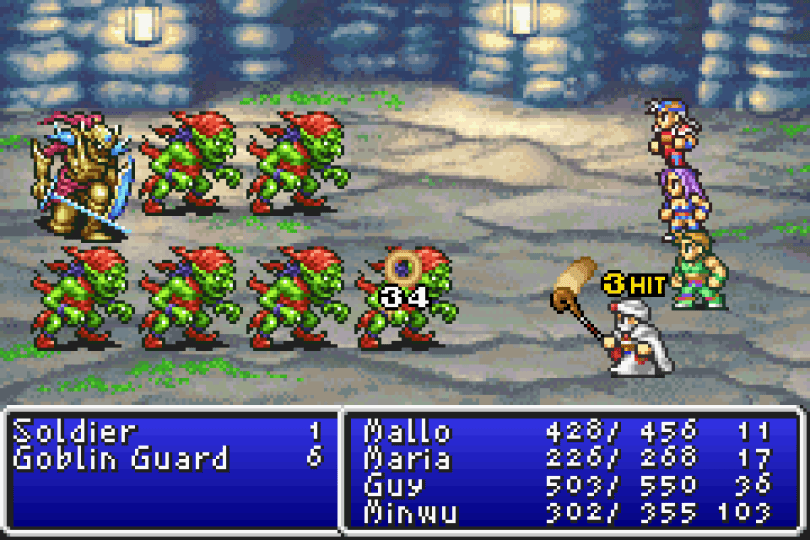
Combat in both games is similar. You wander the dungeon or open-world until a random encounter occurs. Your party must defeat the enemy through melee attacks, spells, or item usage to beat your foes, or you get killed (either by wipe or stuff like Stone). Once you’ve defeated your enemies, you gain experience (numbered or dynamic), and sometimes you can get some items and spellbooks. That’s right, in both games, you learn spells through buying spellbooks for your casters. Final Fantasy 1 has you buying up to 3 spells per spell level (it’s complex), but the White, Black, and Red can learn up to three spells from their schools of magic. If you want to learn that spell of that category, you’re going to have to drop a spell if you reach that limit. Final Fantasy 2 has a unique means as anyone can learn spells from white or black magic. Though each attack uses a specific stat (Black uses Intelligence and White uses Spirit). They also start at level 1 but become stronger the more they’re used as they level up. By battling and combatting the enemies, your party will become strong enough to deal with the big bad evil guys at the end of each game and eventually save the world.

Fantastic Heroics: What makes the game awesome.

Final Fantasy 1 and 2 have some beautiful features that make the game likable and enjoyable. The first thing is that the games are faithful remakes of the original game. The GBA version is an impressive remake that follows a version similar to the Wonderswan Color for those who grew up with the original Final Fantasy. Updating the game’s graphics to something to their 8-bit counterparts. Another thing is that the game introduces bonus content into the series. In the first Final Fantasy game, after defeating Tiamat, you have the side mission of exploring the Bonus Dungeons (named Soul of Chaos in the PSP version), which have you exploring four bonus dungeons for rare loot and potent weapons by fighting monsters. Best of all, the monsters are bosses from later games such as the Echidna from Final Fantasy 3 in the Earthgift Shrine, Scarmilione in the Hellfire Chasm, Gilgamesh in the Lifespring Grotto, and Ultros in Wisperwind Cave. A very excellent introduction to new players to future bosses and an old throwback to veterans who played the games.
Final Fantasy 2’s bonus content is a xenologue called Soul of Rebirth, which continues a side story of Minwu, Josef, Scott, and Ricard as they solve a mystery of why they’re in the land of the dead and why they were all brought here. It’s a beautiful part that gives some plot about what happened to them later in the story.
Lastly, the game’s music is impressive for something handheld on the GBA, as the remix music does have a bit better than what one could find in the first version. Hearing the remix of the Four Fiends fight, or even Palmecia’s final battle theme, is very impressive and something one might not expect to see from the game’s simple quality.

Total Party Wipe: What is the game’s problem

Though Dawn of Souls has some great features, some problems make the game slightly unfun. For both veteran and new players, the spell system in Final Fantasy seems a bit outdated and a handful. For example, as a White Mage, to heal specific spell statuses, you have to learn said specific spell to purge things like poison, silence, and Stone. Though Final Fantasy 2 gives us the magic Esuna that can cure all status conditions. The limited spell slot in 1 makes the game oh so complex and cumbersome.
Another problem is found in 2’s Dynamic Leveling system. The system is creative and innovative, but it’s a huge pain. To become proficient in a weapon, you have to constantly keep using it (including shields), which can be a pain if you want to be a weapon master. Learning new spells is the same, too, as all newly discovered spells start at level 1. This is a pain when you find some of the most potent spells like Flare, Holy, and Ultima, as you have to fight monsters just to make them up to snuff.
Lastly, though basically fun, the game doesn’t have any kind of guidance that future games introduce. It’s easy to get lost without a guide. In the first game, you are only guided to Garland in the Chaos Shrine, and afterward, you’re given full exploration later in the game, which, while good, can be a pain as some core aspects may require you to know. One such is the trials to unlock your party’s class upgrade, which can be forgotten unless you look it up. Final Fantasy 2’s content isn’t that problematic as the game does provide you a hint of where to go and where to progress. It’s not that bad, but still, you may need a guide to figure out situations.

Fun Easter Egg

In Both games, there’s a tiny easter egg that one can enjoy: Two minigames are found in each game.
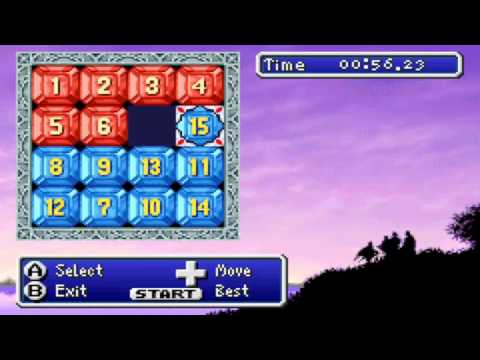
The first game is a slider puzzle in Final Fantasy 1. Hold A, then Press B 23 times while aboard your boat, and you’ll unlock a sliding puzzle. Completing the puzzle at specific times will reward you with random items in your inventory, so it’s a fun game.
The second game is found in Final Fantasy 2. While in the snow craft, hold A, then press B 22 times, and you’ll unlock a memory game. Complete it with minimal misses, and you can claim some good items. Also, if any of your members have learned the Toad spell, you can unlock a variant of the same memory game but with toads. Completing those will reward you with equipment instead of items.

Verdict, is it worth it?

Final Fantasy 1&2 Dawn of Souls is a decent game (and for those who want to play the game but have no access to a GBA, the closest is the PSP version is viable as it’s viable to access due to having the same content and then some. However, if you want to play a game for a portable like the GBA, this game is the go-to. Is it better than Pixel Remasters? In ya boy’s opinion? Yes.

References

Nintendo’s official Final Fantasy 1&2 Player’s guide

GBA commercial trailer uploaded by IGN

Media Review Thursday: Final Fantasy XIV: A Realm Reborn

Written by TheChoujinVirus

Note: The following review is based on my experience with the first main game of the MMO: A Realm Reborn; there is some merged-based content from other expansions (e.g., Races, etc.). Also some spoilers to the game itself.


With the World of Warcraft mess happening, some folks move to other MMOs until things are fixed or stay there forever. From the old Star Wars: The Old Republic to the newly released New World. However, one game I got into, thanks to the WoW Guild I was in, got my interest in the series (and it’s a series I’ve known since I was a kid.)

Originally released September 10th, 2010, then unceremoniously shut down to be remade and restarted on August 13th, 2013 as A Realm Reborn. Final Fantasy XIV is an MMO that has a following through each platform. Though can Eorzea stand while under the shadow of Azeroth? Let’s explain a bit of the game and see if it A Realm Reborn does stand the time a second time around.

Story+Gameplay

The brief story of FFXIV’s A Realm Reborn can be summarized into this. Five years ago (the first FFXIV), the Calamity resulted in the world nearly being devastated as the Alliance and the high-tech Garlean Empire waged war at Carteneau. The moon reawakens as the primal Bahamut, thus ravaging the world and both sides. You, a survivor of that incident (If you had a character made in the first 1.0 game), or waking up on a cart after a dream on your way to your chosen city in order. You start out helping your town with several problems and learn more about the land, the threats, and the enemies to Eorzea. Throughout your journey, you help out Alliance, A group composed of three nation-states: Gridania, Limsa Lominsa, and Ul’Dah. The groups must deal with the warlike beastmen and their Primal Gods and the resurgence of the Garlean Empire and their new weapon. All while solving the mystery of your character’s role in this ordeal as well as exposing a shadowy enemy pulling strings….

Gameplay-wise, FFXIV behaves like a typical MMO with your class triad system of DPS, Tank, and Healer classes. Though Each of them is categorized into four categories.

The first group is your offensive jobs: Disciples of War and Disciples of Magic. War is composed of physical groups like the Pugilist, Archer, and Rogue. At the same time, Magic is your spellcasters like Conjurers, Arcanists, and Black Mages. The other two Disciples are crafting and gathering called Disciples of Hand and Land. The exciting thing about the crafting professions is that they behave less like typical MMO variants of preparing gear or weapons. You have abilities like recover “durability,” increase completion, and even increases chances of producing high-quality items (Which can be better than some quest equipment.)

The combat classes, on the other hand, have nothing much change save for more cooldowns. However, they are more action and combo-based than WoW’s rotations. Each class also behaves uniquely, meaning some types may have a specific role but have ways of doing it differently than others. For example, though the Bard and Dancer are ranged DPS, one is more offensive buffs like the Bard. At the same time, the Dancer provides a more offensive healing ability. Another is how both the Paladin and Dark Knight are tank classes. Still, while the Paladin uses powers to protect and heal themselves, the Dark Knight uses debuffs to weaken the targets they’re attacking. Besides combat on the field and in dungeons, you also have Player Vs. Player combat, and if you’re bored with that, you got the cute minigame of the Mandeville Gold Saucer. It is a large casino with various minigames like Triple Triad, Chocobo Racing, Mahjong, and other games for you to enjoy. Perfect for when you’re not attacking bosses or waiting for your Extreme Trial.

Bearers of Light: What the game shines in

One of the core aspects of the game’s shining moments is the story and quests. A Realm Reborn’s Main Story Quests have you doing missions that aren’t the usual “Kill and bring me back four bear asses” routine seen in MMOs like WoW. They also provide worldbuilding of the location, Eorzea’s worldbuilding, and various events that can unlock features. Most will have you visiting a destination or talking to people. You have missions that have you killing or collecting, but you have more guaranteed chances than just having to kill 10 animals for one part.

Another benefit is that in FFXIV, your character can be any class. That’s right, your character isn’t locked to the class they start in the game. You can choose to change styles freely. Bored as a Monk? Maybe become a Blue Mage! Maxed out your carpentry skills? Maybe try out fishing or even leatherworking. You don’t need to roll a new character to try out jobs. Also, no race is locked out of jobs or professions, so you can be a lalafel dragoon as well as a lalafel white mage. Also, professions are in the same thing as you’re not limited to just one job.

Lastly, the music. The game has some fantastic music that is enjoyable. Mounts have their own theme, some bosses have their own tunes, towns and regions have their own songs, and you can see some remixed themes like the Triple Triad theme or Chocobo Racing theme. The music is oh so enjoyable. My favorite themes happen to be Titan’s theme (which has an awesome rock theme, no pun intended.) And the theme for Good King Moogle Mog, as it’s very Tim Burton-esque.

Blundered Moogle Crap: What the game flops in

Though the game has plenty of fun, some problems in the game itself can be a detriment. One such example is the story. Though the story is good, it’s very, very, very long! In a Realm Reborn, you have the main story and the post-patch stories that fill in between ARR and the first expansion Heavensword. For new players, A Realm Reborn can be a make-or-break experience in the game itself.

Another problem is that though your character can be whatever they want to be, it cheapens any investment into your character. You can just change gear or jobs like that without needing anything required. A significant problem is that player customization is not as accessible as some expect, though simple. Also, some races cant wear helmets like the Viera races. Also, until the new expansion of Endwalker arrives, you cannot play Male Viera or female Hrothgar.

Lastly, the game is pretty casual. If you’re the kind who rushes to endgame as fast as you can, you’re going to find that there’s no reward for speeding to the end. It’s kinda like a fine wine you savor and not a soda you guzzle. It can be a turn-off for some people, but I enjoy it.

Should you Bear the light of the Crystal? My conclusion.

If you want an MMO in an era of WoW’s decline due to whatever reason you believe. FFXIV’s got some good deals and items for the time being out there. If you’re a fan of Final Fantasy and want to enjoy content without the rush of raid preparation or other things that you might find in other MMOs.

I would say go for it and explore Eorzea. Oh, and if anyone’s interested, I could lend a refer a friend if you want. Just put into the comments and I’ll lend a refer-a-friend if you are interested. Not shilling for the game or anything, I just find the game interesting and such.

References

All youtube video sources are credited to their uploaders, all screenshots and usage belong to Square Enix

Thursday Media Review: Stellaris

Written By TheChoujinVirus

Note: The following review may contain spoilers to the game itself.


Space: the final frontier; These are the geopolitical and expansionistic voyages of the Not Imperium of Man. Its ongoing mission, to purge dangerous Xenos, to seek out all threats in the name of the God-Emperor, to boldly Exterminatus like no one has done before…

No, it’s not a poorly written Star Wars and 40k Crossover; it’s a popular Paradox game called Stellaris. Released on May 9th, 2016, and released in 2019 for the consoles, lastly on the Xbox Series X/S in 2021. It’s a 4x Strategy game similar to those like the Civilization series. (it was inspired by games like Master of Orion 2 and Star Control 2, according to Director Henrik Fahraeus). So does this game stack up to those kinds of games? Well, that’s what ya boy’s here to do: Let’s jump into light speed and get into Stellaris.


Gameplay

Stellaris isn’t a game with a default story, as YOU get to make the story in the gameplay. You have a choice of several premade empires to play. However, suppose you’re adventurous, a role-player, or someone who loves other sci-fi races. In that case, you can build your own alien races from the various stocks. Regardless of what you do with your empire, the objective of the game is simple: Become the supreme power in the galaxy while surviving the various threats the game will throw at you, such as dreaded leviathans, rival empires, vengeful fallen empires, catastrophes, space pirates, and even marauders led by great kahns. Luckily, your empire (built or created) has unique abilities to help you out. Maybe your species are very hearty at gathering resources, your government’s ethics giving you better upkeeps. Perhaps your origin providing you with an edge like having your own personal gateway in your system, Or maybe you’re just a space version of Skynet wanting to purge meat bags. In Stellaris, there’s more to the game than colonizing worlds, expanding your empire, and crushing your enemies. There is a galactic political aspect to the game too. You’ll have to please your empire’s political parties or galactic neighbors—things like how you treat pre-spacefaring civilizations, planetary refugees, or liberating slaves. So be careful if you’re the kind who runs xeno-slave rings or just an outright douchebag. Cuz it can lead you to be blocked off through border closing or even having a war at your doorstep. You have resource management as well, as your empire needs to be happy. Resources like Ammenties are required to ensure your workers can afford to work. You need jobs to ensure things like consumer goods or law enforcement to ensure crime can’t thrive. By the near end of the game, you’ll deal with a mechanic called a Crisis, which is something that’ll wipe everyone out if no one is careful or prepared. Depending on the whole galaxy is your plaything or battleground, you can make it a utopia or constant warfare.


Galactic Wonders: What makes the Game good

Stellaris has many impressive features that folks will enjoy. One such thing that the gameplay is variable but can be customizable to fit whatever you or other players will like. Maybe you don’t want marauders in this galaxy or make things harder with fewer hyperlanes or other items. Sure, you can’t get achievements if you play it this way, but it’s something impressive. The second thing that the game has a TON of content. Some of the newest content provides new gameplay and even new empires. For example, Synthetic Dawn introduces Mechanical empires into the mix, and Lithoids give you Rock aliens to play. Megacorp introduces the ability to play Megacorporation Empire, which lets you build branch offices (or criminal undergrounds) in some empires. Lastly, Nemesis’s latest expansion not only introduces espionage but allows you to BE the endgame crisis. The final and personal favorite thing in this is that the game has a thriving modding community. Usually, ya boy isn’t fond of needing mods to experience a game, but Stellaris makes having mods enjoyable. Some of them are cosmetic or add a feature into the game. One such mod I could suggest is NSC2. It’s a mod that provides a TON of quality of life features, new ships, buildings, and other cool features that makes playing a bit easier and less tedious. Another mod that makes things enjoyable (and realistic) is Planetary Diversity. It’s a mod that fills your galaxy with various planetary biomes like Tidal-locked worlds, primal worlds, and even the strange luminous worlds. Whatever you want in your Stellaris game, there’s a mod for it.


Black Holes: What the game lacks

Though the game is good, some problems can be a buzzkill while playing. One such is that though the game is fun, it’s very complicated due to all the various things to manage. Things like managing Empire Sprawl, so you don’t go over, ensuring your empire upkeep doesn’t produce deficits. Ordering your envoys for empires and even keeping an eye out on planet populations. Those things can lead to people feel intimidated when playing the game for the first time. Another problem with Stellaris is that the multiplayer setup can be a pain. Sure, you can play against AI empires; it’s the player empires that work. The issue is that the constant content and DLC in the game means that some people will have to get the content and DLC needed. Meaning if someone doesn’t have any content, they won’t be able to join the session. The last thing that can be a pain and a turn-off is this: The game has a TON of content. Sure it’s nice and all, but sometimes it can be overwhelming to experience the entire game itself. So picking and choosing each DLC can be a pain in the wallet if you want ALL The content. Luckily, the developers have made some packs available in bundles.


Star surprises

Some may not have noticed, but Stellaris has several easter eggs found throughout the game. One example is Warhammer 40k, as you have things like the Gene Seed Purification technology and the Devouring Swarm government for hiveminds. You even have references from the likes of Hitchhiker’s Guide to the galaxy and some references from Sid Meir’s Alpha Centauri. There are so many things linked, but the link here will explain the whole thing here.

Galactic ambition: Should you get this game?

In conclusion to my review of Stellaris, I’d say that it’s a game that’s not your mother’s Civilization or Red Alert. Suppose you like to play games that involve heavy micromanagement with a sci-fi twist, or you’re just a 40k Fanboy who wants to be the God-Emperor of your own Imperium. In that case, I’d suggest you get this game and enjoy it. Ya Boy enjoys this game and uses it to help with worldbuilding his empires for his stories.

Links used

(Late) Thursday Media Review: Monster Hunter Rise

Written by TheChoujinVirus

Note: The following review may contain spoilers to the game.


Monster Hunter, I’ve really gotten interested in since my first introduction with Monster Hunter Tri on the Nintendo Wii and the more recent Monster Hunter World and Iceborn. Though one game is released on the Nintendo Switch. Launched on March 26th of this year, Monster Hunter Rise is one game that everyone has been waiting for for a while. Does this game put a big expectation that World left? We’ll let’s do our review.

Story+Gamepay

The Story of Monster Hunter Rise has you being a recently graduated hunter sent to the village of Kamura. The town is being plagued with an event known as The Rampage, and even that transpires throughout the event. You are tasked with aiding the village in protecting them from this calamity while solving the mystery of the Rampage source.

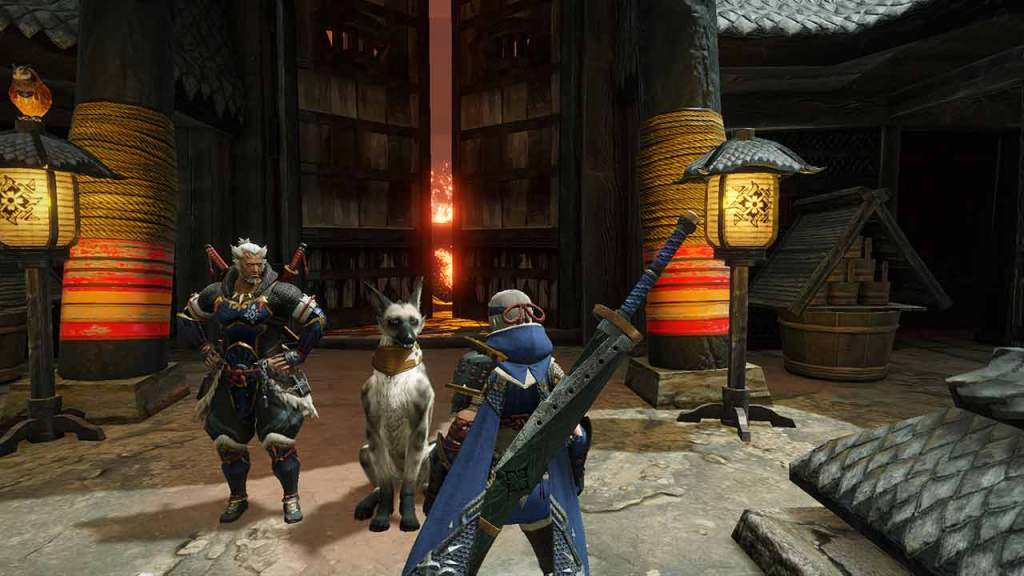
Monster Hunter Rise’s gameplay has you using Kamura Village as your central hub for various things like crafting/upgrading your armor, buying/crafting tools, accessing special features like the Training room or the Argosy Trading post, and of course, accepting missions. Missions are the bread and butter of Monster Hunter Rise as they provide you resources and currency needed to progress your character. They can range from gathering quests to your typical slaying quests, and a lot are straightforward enough to learn. Complete the task without dying three times, running out of time, or failing a specific objective like letting the gate fall in a rampage.

Speaking of Rampages, the newest mode in Rise is Rampage missions. Unlike the usual missions here, Rampages are a tower defense mission in which you must protect the main gate of Kamura village from being busted down by invading monsters. You’re given various arsenals from ballistas, cannons, bombs, and even Gatling guns to repel the wave-like horde. Some missions may have you fighting a powerful leader called an Apex Monster, ridiculously stronger than any other leader or monster.

When you complete any quest, you’re given the reward of money and Kamura Points. You also gain resources like monsters such as claws, fangs, even oddities like mud, or even gems off the monsters. Those parts alongside the money rewards you acquire are vital for crafting the armor and weapons needed to help you move through. When it comes to weapons, you got a whopping fourteen weapons in Monster Hunter. The heavy-hitting Greatsword, the head-smacking Hammer, the long-ranged bowguns, the odd Hunting Horn and the speedy Dual Blades and Longsword. You have various weapons to hack, slash, shoot, impale, explode, vault, and crash.

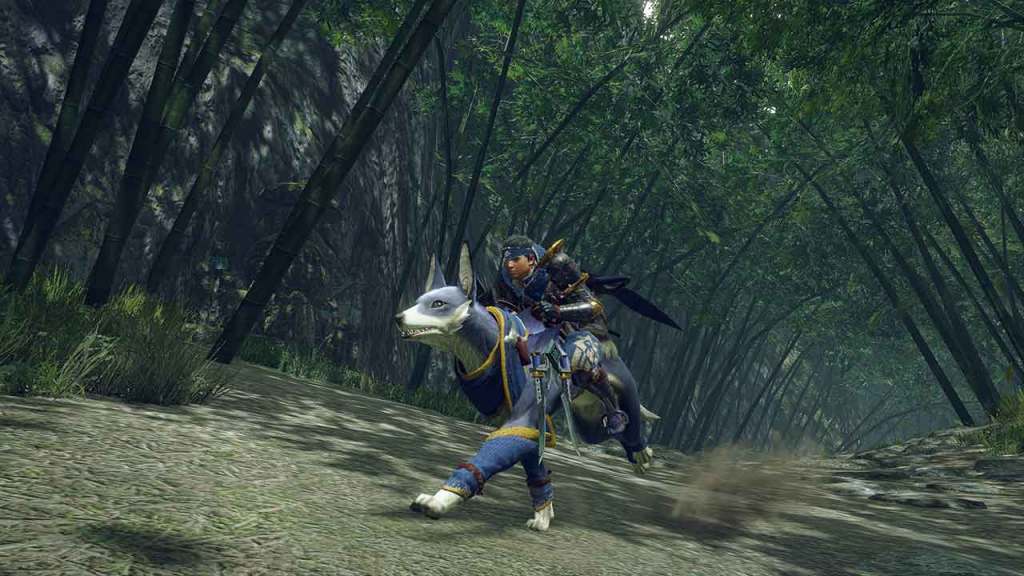
But wait, there’s more to your tools and traps. Rise introduces you to two new things. The first is the Wirebug, a weapon that replaces the launcher and clutch claw from World. The Wirebug allows you to briefly fly into the air, sticks to walls, even can be used to hang in midair and swing about. Best of all, it can be used offensively with your weapons to unleash an excellent trait called Wyvern Riding. This allows you to mount a monster and control it like a puppet. It can help turn an unwelcome party crasher into a helpful weapon against your target or just to humorously smash its face into walls. The second is a new companion called the Palamute. This Dog-like companion is a partner for your hunter while going solo. Alongside your default cat-like Palico, the Palamute can serve as an offensive ally but also as a trusty steed to help you traverse the map fast to hunt monsters.

Between your new toys, you also have to deal with a menagerie of monsters out there. Some are saurian like the whip-tailed Great Izuchi, while others are odd, like the mud brushing Almurdon or ice slashing Goss Harag. However, nothing tops the series’s flagship, the ghostly but dangerous Magnamalo and its hellish powers that’ll put you to the test. You best bring your A-Game to the field because this monster will make the hunter the hunted. Whether it be in the abandoned Shrine Forests, the Sandy Plains, the Frozen Islands, or even in the volcanic caverns, it’s a battle between colossal monsters.

Hunting Prowess: What makes the game great

Rise brings plenty to the table. One such example is the Quality of Life features brought over from World. The barrier removal of allowing ranged weapons and melee weapons to one armor set over needing separate sets to function makes not needing two different sets for the job of hunting. Another feature is the ability to track monsters across the map. Older games had to require you to use a paintball to track your target and have skills that require you to know when it was about to die. Now you don’t need those skills to see where the monster is anytime, anywhere. The game is pretty stunning, and that’s thanks to the RE engine that runs the game. Thus, the game doesn’t need loading zones for each instanced area on the map as everything is seamless. The environments are also exciting places that make exploring, hunting, and gathering oh so impressive. The Forest Shrine and Flooded Forest give you a mix of two types of jungle vibes, with the Forest Shrine giving you an abandoned village motif and the forest a jungle ruin to explore. Other spaces like the Frozen Isles and Volcanic Caverns give you a very hostile environment to hunt and such. The hub of Kamura Village has a very Japanese vibe to the series that makes it a very good ascetic feeling throughout the game. The last personal favorite is the monsters, the bread, and butter of the franchise. Rise has the new monsters in the series, but you also have some returning favorites. Some like World’s Pukei-Pukei and Anjanath make their recent return in Rise. While fan favorites like the Mizutsune, Zinogre, Nargacuga, and Rajang also enter the roster of the series to test your prowess in hunting.

Quest Failed: What the game lacks.

Though Rise has some good parts, there’s plenty of lacking features in the game that you don’t see and are neglected. One such feature is that though some features do make a return from World, not all of them make a return. No more are the days of capturing endemic life to decorate your home are there, which I missed so well. Another problem is that most of the single-player story ends a bit early and doesn’t continue like World. Once you complete one part of the story in the village, the rest is continued in the Hub quest, which can confuse some folk upon completing the missions. One problem is that though some monsters have made it into the game, not all of them have, and it leaves some confusing parts. Examples are that though the Jagras, Zamites, and Jaggi lines are in, their larger counterparts did not. Not only that, but compared to the last Switch Monster Hunter game, the pool is lacking compared to each game and even compared to World. It’s a darn shame that the monster pools are minimal, but no subspecies are in the game. However, we may see it later on with the DLC.

Hunting Report

If a veteran or a beginner to the franchise, Rise is a good jumping point to get yourself into the game. With many improvements compared to World and its predecessors, Monster Hunter Rise is one such game that you will enjoy immensely by yourself or with allies online. Just remember that in life, there are monsters, and there are Monster Hunters.

References

The Following sources used

Thursday Media Review: Raya and the Last Dragon.

Written by Joenn

Note: This review was submitted and written by another person, so credit goes to them for their time and energy for creating this review. This review may contain some spoilers.


All art is a product of its time, but it’s a rare thing to see a story come along that so perfectly resonates with the emotional needs of its audience as Raya and the Last Dragon. It’s early March, 2021. We, the audience, have been cooped up inside for a year now with precious little contact with the outside world. Raya went through production and post-production during 2020, so all of the voice capture and animation was done from home. The makers of this movie, all of them, have been going through the same troubles we have. They know the story we need to hear right now.
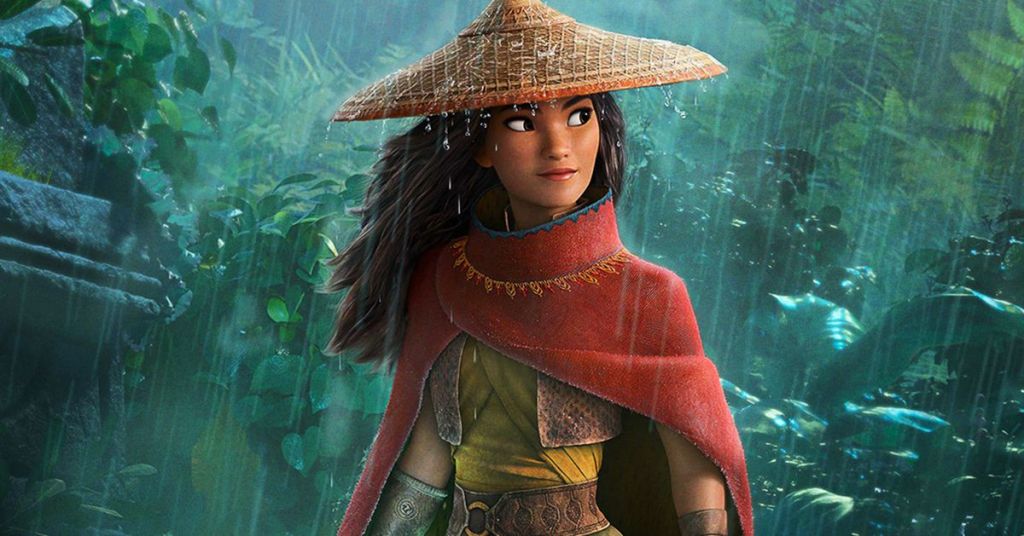
Raya is a heroic fantasy story from Walt Disney Animation Studios, set in the fictional land of Kumandra. It draws inspiration from Southeast Asian cultures and myth to create its world, and worldbuilding is one of this movie’s greatest strengths. Spoilers follow, but I’ll try not to spoil any details that aren’t established within the first half-hour.

The World

The land of Kumandra surrounds a large inland sea that is shaped like a dragon. Its people are divided into five tribes, each one named after a part of the dragon: Fang, Heart, Spine, Talon, and Tail. The tribes used to be unified as a single nation, but this nation fractured after the arrival of malevolent spirits called the Druun.
The Druun are introduced to us early in the story. They appear as amorphous clouds of
smoke that seem to glow from a sourceless purple light. They’re completely mindless; they never speak or show any signs of intelligence. If a Druun touches a human, it will petrify them and then replicate itself, and each copy will continue to hunt for more humans.
In other words, they’re virulent.
The Druun can’t be fought, but they can be repelled by pieces of a gem that was forged by dragons. Upon learning this, the chiefs of the five tribes scramble to horde these gems, and sequester themselves in isolation.
Does that sound familiar to anyone?

The Characters

Our protagonist is a young swordswoman named Raya, of the Heart tribe. For reasons I
won’t spoil here, she blames herself for the world’s current state, and she sees it as her
responsibility to set it right. But living in this world has taken its toll on her, and she has some serious trust issues. You could call her paranoid.
Raya possesses one of the five gem pieces, and she believes that if she can collect the other four, the Druun will be vanquished. So her goal is to travel to all five tribes and steal their gems either through guile or force, because she can’t trust anyone else to do the right thing. The question the movie asks is simple: Can Raya learn to trust again?

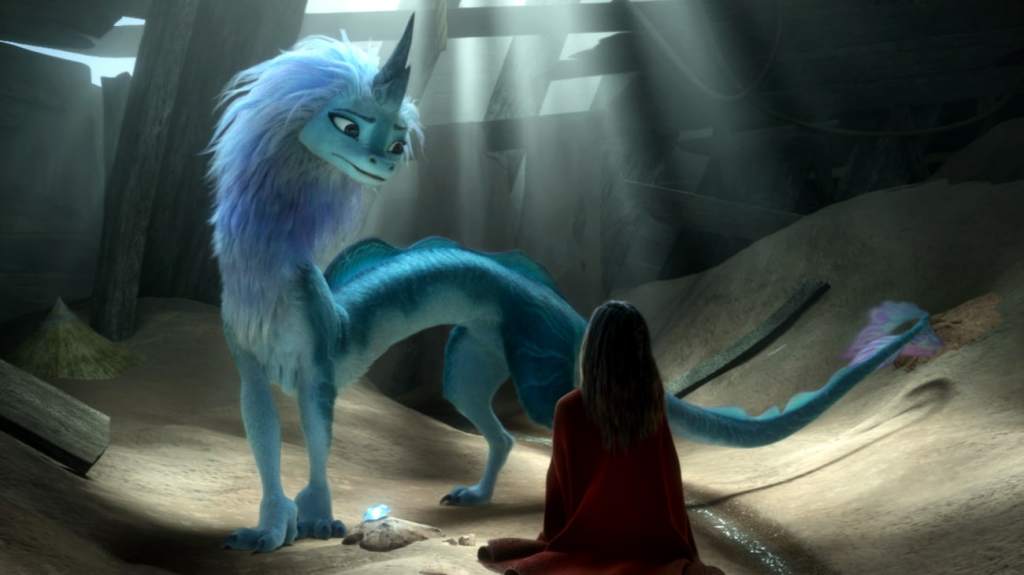
Joining Raya on her quest is Sisu, the last dragon. In many ways, she is Raya’s complete
opposite; she’s ditzy, upbeat, naive, and very gullible. She’s like your frazzled aunt who never figured out what to do with her life after college.
Opposing Raya is Namaari, princess of the Fang tribe. She’s kind of a fascinating character because we can always see her struggling internally between what her conscience tells her to do, and what her duty to Fang demands of her.

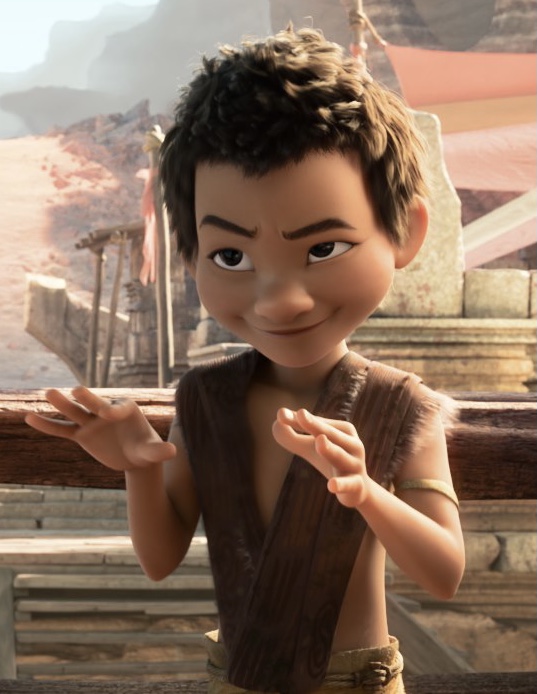
Along the way, Raya also crosses paths with survivors of the other three tribes. In Tail she meets Boun, an orphan boy who runs a fishing boat. In Talon she meets Noi, an orphan girl with three pet monkeys. And in Spine she meets Tong, a lonely warrior. In meeting these characters, we begin to realize something: In this world, everyone has lost someone. Everyone feels isolated and alone.
Now, if what I’ve just described sounds like a downer, fear not; Raya is also filled with levity to balance out its weighty themes. Sisu in particular is a giant doe-eyed goofball. And don’t worry, it’s a Disney movie; it has a happy ending.

The Flaws

As much as I appreciate Raya, it’s not perfect. If I were to summarize its flaws into one
word, this movie is stuf ed. The film is two hours long, but every scene feels just a little bit rushed because there is so much story to tell. It feels like the story would have been better served if it had been presented as a show, since it already divides itself up into six episodes.
The movie is also stuffed with elements that have clearly been borrowed from other
franchises. Sisu looks like she jumped out of an episode of My Little Pony. Noi is a
hypercompetent toddler straight out of Boss Baby. And there are two sequences toward the end of the movie that were pulled straight from The Avengers and Guardians of the Galaxy. The parts of this movie that are original work very well. The parts that have been borrowed from other movies are obvious, obnoxious, and out of place.
And as a minor quibble, the movie has to break one of the rules established as part of its worldbuilding in order to earn that happy ending.

The Virtues

Aside from the simple virtues of knowing its theme and executing it well, the movie is
visually stunning. The main characters are expertly animated and the acting is emotionally moving. The fight choreography is stellar as well; I just wish we got to see a bit more of it.
Overall, I believe Raya’s virtues outweigh its flaws. This movie matters to the emotional
state of the world today. It deserves to be seen and enjoyed by those little ones in your life. I encourage you to go out and see it. Just please remember to be safe and wear a mask.

Links Used

(Late) Thursday Media Review: Eco

Written By TheChoujinVirus

Note: I was referred to this game by a friend of mine. He is a streamer and no way was part of the development of the game. My review may contain spoilers to the game.


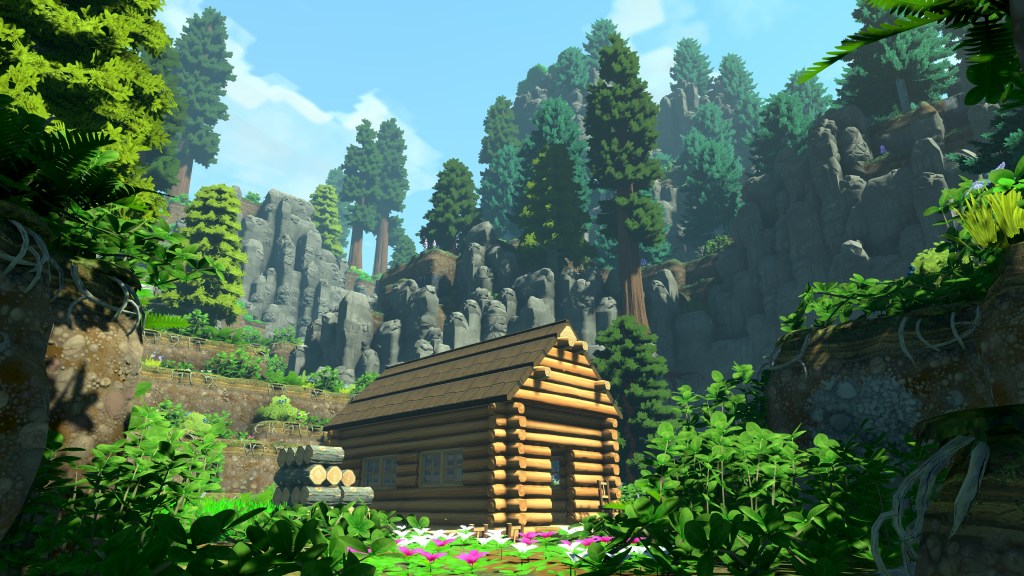
When people look at survival or building games, everyone thinks of Minecraft or games like Ark: Survival Evolved that show up on people’s radar. Though you kinda wonder how the environment would react to those changes? Ever wondered what happened to Minecraft’s world if you leveled all those trees or wiped out the wolves and cats? Well, you have one game that can show you that outcome. I was recommended this game by an RL friend of mine and Twitch Streamer AznablZ. Created by the indie company Strange Loop Games and released early on February 6th, 2018, Eco is a game that shows the ecological damage players might do to a virtual world.

Brief Story and Gameplay

Eco doesn’t have much of a story, but the objective is explained through the in-game tutorial. A meteor is threatening the world. You and several other people must cooperate by using the resources the world provides; however you must be careful not to pollute or exploit too much of the resources to avoid any ecological damage. Will you save the world from the meteor without damaging it, or will man do more harm than the meteor?

You start out with the character creation screen, and you set out in this world with no intro cinematic or anything. However, you’re given a tutorial that teaches you the basics of the game. Gameplay-wise, Eco’s resource harvesting doesn’t feel anything out of the ordinary. Axes are used to harvest trees, pickaxes are used to mine rocks, the hoe is used to till the soil, and a bow to hunt and kill animals for food. However, it takes energy to dig and make things, and wooden tools don’t last long, and you need a balanced diet to gain experience. The game adds a way around this through a job system that adds some flair or perks.

An example is that the Cooking profession allows you to cook better quality food, vital to maintaining a balanced diet and using fewer reagents. Building jobs like masonry or carpentry enables you to make furniture or items from specific materials. Some like Farming and Gathering lets you create larger yields of crops, and Butchery can help you harvest more animals. Though you don’t have to master EVERY skill, form trade deals through money, trade, or anything socio-political to offset that problem. Heck, you can simply be an eco-villain from Captain Planet and just pollute the world if you want to.

Ecological Beauty: What makes the game great

One aspect I do like about how the game works are the fundamental aspect of the world. It’s a virtual world similar to Earth with some various aspects than the blocky part of Minecraft. Another thing I do like is the game’s environmental message and the consequences of what you do. If you cut down too many trees, it can cause some issues like CO2 buildup. Dump tilings in water, and you can contaminate the waterline and thus kill all the plant life. Hunt too many animals, and you might lead a species to go extinct. The Political and Governmental aspect also plays a vital role in cooperation as you are encouraged to work together than killing each other for loot or PVP prestige. Lastly, some of the servers do have some exciting communities that focus on city-building roleplaying. It gives it a good vibe and gives a bit more flavor to digging and building things. The one thing I really love is the professions you gain while you play the game. Each specialty gives a special perk, and with combinations, you can become self-sufficient or a supplier for other people.

Meteor Crashes: What the Game Lacks

Though fun as it is, the game has some significant issues that may make the game unfun. One such example is that the game relies on cooperation, so you’re putting your faith into people who might refuse to cooperate or simply let the world burn. Another problem is that there aren’t many dedicated US servers that host the games here. This is due to most official servers being hosted in Europe. This causes massive latency issues, and that running the servers does require some heavy hardware to prevent latency issues. Another problem with the game is that it can be overwhelming for new players, with things like experience, professions, nutrient balance, and even farming could be a pain in the butt. Lastly, the game sadly does have some bug issues due to it being in Early Releases, like vanishing dead animals or cars falling through ceilings.

Fun Fact

The game was not intended to grace Steam. In fact,  was initially made to grace the computers of middle schools to teach the importance of environmentalism. Strange Loop got assistance from both the University of Illinois and The US Department of Education for the game’s development and funding. Also, the game borrowed inspiration from games like Minecraft, Rust, and even Eve Online for things like building, construction, and player social dynamics.

Conclusion

If you want to have some fun building stuff and learning what effect it has or just an RPer who wants to have some fun doing things, I recommend Eco to you and your friends. It’s a nice change of pace if you’re into building stuff like Rust or Minecraft without the player v player annoyance.

Links/Sources